

How to Prove Negligence in a Slip and Fall Accident Lawsuit
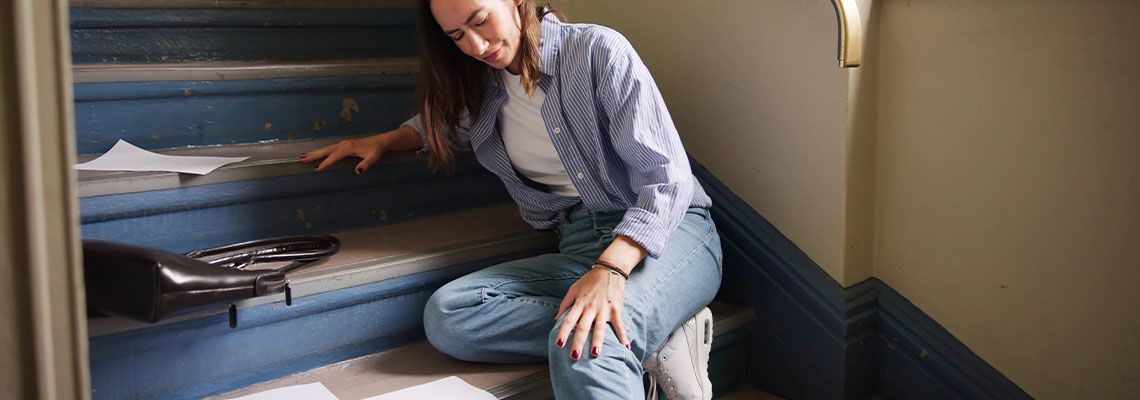
Unexpected falls can happen in an instant, but the consequences often last for months or even years. When a person slips and falls on someone else's property, the resulting injuries can range from minor bruising to severe fractures or head trauma. In these moments, it’s natural to feel overwhelmed by rising medical bills and the physical pain of recovery.
The legal process for seeking compensation relies heavily on proving that another party acted carelessly. Under Tennessee law, property owners have a responsibility to maintain their premises in a reasonably safe condition for visitors. When a hazard is ignored or left unmarked, the owner may be held liable for the resulting harm.
At the Law Office of Joshua S Reed, we’re dedicated to helping accident victims move forward with their lives. Our personal injury attorney has the experience needed to help you understand your rights after a serious fall.
Serving Knoxville, Tennessee, Farragut, and surrounding counties, including Anderson County, Blount County, and Union County, our personal injury attorneys provide the advocacy needed to hold negligent parties accountable. Reach out to us today to discuss your situation.
The Legal Elements of a Negligence Claim
To succeed in a lawsuit, an injured person must show that certain legal criteria were met at the time of the accident. This process is rarely straightforward, as property owners and their insurance companies often try to shift the blame to the victim. We work to build a strong case by gathering evidence that clearly demonstrates the owner's failure to fulfill their duties.
The first step is proving that a dangerous condition actually existed on the property. This could be a wet floor without a warning sign, a torn carpet, or a patch of ice that wasn’t cleared. Our personal injury attorneys look for proof that the hazard wasn’t something a reasonable person would expect to encounter while walking normally.
Next, we must show that the owner knew, or should have known, about the danger. This is often a challenging part of a case, as it requires showing that the hazard was present long enough for the staff to notice and fix it. We use various methods to establish this timeline, including reviewing maintenance logs and interviewing witnesses who saw the hazard earlier in the day.
Gathering Evidence at the Scene of the Fall
The actions taken immediately following a fall can significantly impact the outcome of a legal claim. While seeking medical attention is always the top priority, collecting information at the scene helps preserve the facts before they’re cleaned up or changed. Our personal injury attorneys recommend that victims document as much as they‘re physically able to.
Photographs of the hazard: Taking pictures from multiple angles helps show exactly what caused the slip, such as a spill or a broken stair.
Witness contact information: People who saw the fall or the condition of the floor can provide vital testimony later in the process.
Incident reports: Many businesses require employees to submit a report after an accident; requesting a copy of this document is helpful.
Clothing and footwear: Keeping the shoes and clothes worn during the fall can provide physical evidence of the conditions at the time.
By securing this information early, we can prevent the property owner from claiming the hazard didn‘t exist. Our firm reviews these details to see how they fit into the broader requirements of Tennessee law. Having clear evidence makes it much harder for insurance companies to deny a valid claim.
Property Owner Knowledge
There are two main ways to show that a property owner is responsible for a slip and fall injury. The first is actual notice, which means the owner or an employee was told about the hazard or saw it themselves. For example, if a customer told a manager about a spill ten minutes before you fell, the store had actual notice.
The second way is constructive notice, which means the hazard existed for so long that the owner should have discovered it through reasonable care. Our personal injury attorneys often use security footage to show that a spill sat on the floor for an extended period without being addressed. This shows a failure to perform regular safety checks.
In some cases, the owner may have actually created the hazard, such as a janitor mopping a floor and failing to put up a warning sign. In these situations, the victim doesn’t necessarily need to prove that the owner had notice, because the owner's own actions created the danger. We carefully examine the staff's conduct to determine the best legal strategy for your case.
Common Hazards in Slip and Fall Cases
Slip and fall accidents can happen in many different environments, from grocery stores and restaurants to private homes and government buildings. Each location may have different maintenance rules, but the core duty to keep visitors safe remains the same. We’ve seen a wide variety of hazards that lead to serious injuries for our clients.
Slippery surfaces: This includes spills, recently mopped floors, or leaks from refrigeration units in stores.
Uneven walkways: Cracked sidewalks, potholes in parking lots, or sudden changes in floor height can easily trip an unsuspecting walker.
Poor lighting: When hallways or stairwells are dark, it’s nearly impossible to see obstacles or changes in the walking surface.
Weather-related issues: Property owners must take reasonable steps to clear snow and ice from entrances and sidewalks.
If you’ve been hurt by any of these conditions, our personal injury attorneys are ready to take a look at your case. We understand the intricacies of premises liability and how to present these facts to a jury or an insurance adjuster. Our goal is to make sure you receive fair compensation for the challenges you’re facing.
Comparative Fault in Tennessee
One common tactic used by property owners is to claim that the victim wasn’t paying attention to where they were walking. Tennessee follows a modified comparative fault rule, which means that your compensation could be reduced if you’re found partially responsible for the fall. If you’re found to be 50% or more at fault, you may be barred from recovering any money at all.
For instance, if a jury decides your total damages are $100,000 but finds you were 20% at fault, you would receive $80,000.
Our personal injury attorneys are prepared to counter these arguments by showing that the hazard wasn’t obvious or that the owner's negligence was the primary cause of the accident. We work to minimize the impact of these claims on your final settlement.
It’s important to be careful when speaking with insurance adjusters after an accident. They may try to get you to admit that you were distracted or that you saw the hazard before you fell. We recommend that you speak with a legal professional before giving any recorded statements to make sure that your rights are protected.
Call us Today to Protect Your Rights After a Slip and Fall
If you‘ve experienced an injury due to a property owner's negligence, contact us today to speak with an experienced personal injury attorney. Taking quick action is essential for preserving evidence and meeting the legal deadlines for filing a claim in Tennessee. Attorney Joshua S Reed is here to provide the support and guidance you need during this difficult time. We serve clients in Knoxville, Tennessee; Farragut, Tennessee; Anderson County; Blount County; Union County; Maryville, Tennessee; Oak Ridge, Tennessee; and Clinton, Tennessee.
If you have many service areas to consider, we make sure to account for the specific needs of each community. Our attorneys are dedicated to fighting for the compensation you may be entitled to. Don’t let the medical bills and stress of an accident overwhelm your family. We’re ready to review your case and provide a clear path forward. Reach out to us today to schedule a consultation at the Law Office of Joshua S Reed.