

Slip-and-Fall on Black Ice: Proving Constructive Notice When the Property Owner Never Salted
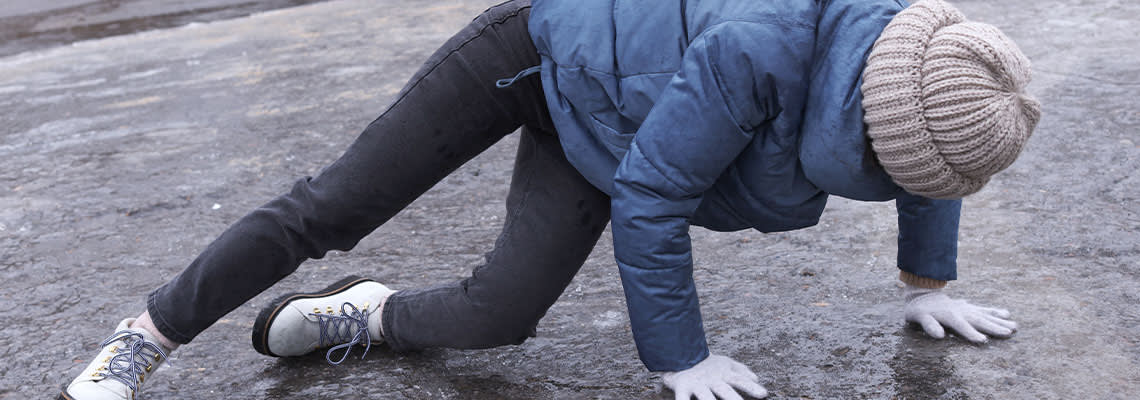
Slip-and-fall accidents often occur when winter weather leaves walkways covered in ice. One of the most dangerous situations involves black ice, which is nearly invisible and forms when melted snow refreezes on pavement. When property owners fail to treat icy areas, serious injuries can result. Victims of these slip-and-fall incidents may face medical bills, missed work, and lasting physical limitations.
People injured by hazardous conditions may have legal options when a property owner fails to maintain safe premises. At the Law Office of Joshua S. Reed, we work with individuals harmed in slip and fall incidents across Knoxville and Farragut, Tennessee, along with Anderson, Blount, Union, Maryville, Oak Ridge, and Clinton Counties. If you’ve been hurt in a winter-related accident, contact us to discuss how we can help review your situation and pursue a claim.
Why Black Ice Creates Dangerous Conditions
Black ice is a thin, nearly invisible layer of ice that blends into pavement, making it difficult for pedestrians to see. Because of this, people can slip without warning, even when walking carefully. Slip-and-fall incidents involving black ice commonly occur in places where people expect safe footing, such as parking lots, sidewalks, and building entrances. Several factors make black ice especially hazardous:
Invisible surface hazards: The clear ice is hard to detect on the pavement.
High-traffic locations: Busy walkways and entrances expose more people to risk.
Temperature changes: Melting snow followed by freezing temperatures creates slick surfaces.
Lack of maintenance: Failing to salt or sand icy areas increases danger.
Since black ice is difficult to detect, property owners must take reasonable steps to address icy conditions and reduce the risk of slip-and-fall incidents.
Constructive Notice and Property Owner Responsibility
A key issue in many slip and fall incidents is whether the property owner knew or should’ve known about the icy condition. Even if the owner claims they weren’t aware, the law recognizes constructive notice, meaning the hazard existed long enough to have been discovered and addressed.
Courts often look at factors such as how long the ice was present, weather conditions, routine inspections, and whether the property owner attempted to salt or clear the area. When owners fail to address predictable winter hazards, they may be held responsible for resulting slip-and-fall incidents.
Evidence That Helps Establish Constructive Notice
Proving constructive notice requires evidence showing the property owner had enough time and opportunity to correct the dangerous condition. An experienced personal injury lawyer can help gather documentation soon after the accident to strengthen a claim. Several types of evidence commonly support cases involving slip and fall incidents on black ice:
Photographs of the scene: Images showing untreated ice, snow buildup, or a lack of warning signs can illustrate hazardous conditions.
Weather reports: Official records demonstrate when snow or freezing temperatures occurred.
Surveillance footage: Cameras at businesses or nearby properties may capture the fall or show how long the ice remained.
Witness statements: Employees or bystanders may confirm the area hadn’t been salted.
Maintenance records: Logs showing when a property owner last treated walkways can reveal lapses in upkeep.
Medical documentation also plays an important role in linking the fall to specific injuries. Many slip and fall incidents lead to fractures, head injuries, or spinal damage, all of which require detailed treatment records. Collecting this evidence early helps build a clearer timeline of events, which is critical when arguing that the property owner should’ve addressed the icy hazard.
How Property Owners Often Defend Black Ice Claims
Property owners often argue that black ice formed suddenly and couldn’t have been detected in time. They may also claim that active winter weather made it difficult to treat every area immediately. Courts instead look at whether the owner took reasonable steps to reduce risk. Regular winter maintenance policies often influence how liability is determined in slip-and-fall incidents. Defense arguments include:
The ice formed immediately before the accident: Owners claim the hazard appeared moments before the fall.
Ongoing storms prevented maintenance: Snow or freezing rain can delay treatment efforts.
Warning signs were posted: Some owners argue they alerted visitors to potential hazards.
The injured person wasn’t paying attention: Defendants may argue the victim failed to exercise caution.
These defenses don’t automatically prevent recovery. Evidence showing the property owner failed to salt or inspect the area can still demonstrate negligence.
Seeking Accountability After Slip-and-Fall Incidents
Recovering from winter injuries can take time and may involve medical treatment, rehabilitation, and missed work. When a property owner fails to maintain safe walkways, legal action can help hold them accountable.
A lawyer can review evidence, examine weather records, and determine whether constructive notice applies to your case. Our firm assists clients by:
Reviewing accident details: Analyzing weather conditions and maintenance timelines.
Collecting documentation: Gathering photos, records, and witness statements.
Consulting professionals: Working with investigators when needed.
Pursuing compensation claims: Filing claims against negligent property owners.
Slip-and-fall incidents involving black ice often require clear evidence that the hazard existed long enough for the property owner to address it.
Compassionate Legal Guidance
Winter accidents can leave lasting physical and financial effects, especially when property owners ignore icy conditions. At the Law Office of Joshua S. Reed, we help individuals affected by slip-and-fall incidents explore legal options and pursue accountability. Our firm serves clients from offices in Knoxville and Farragut, Tennessee, assisting people throughout Anderson, Blount, Union, Maryville, Oak Ridge, and Clinton Counties. Contact us today to discuss your situation and learn how we can help.